
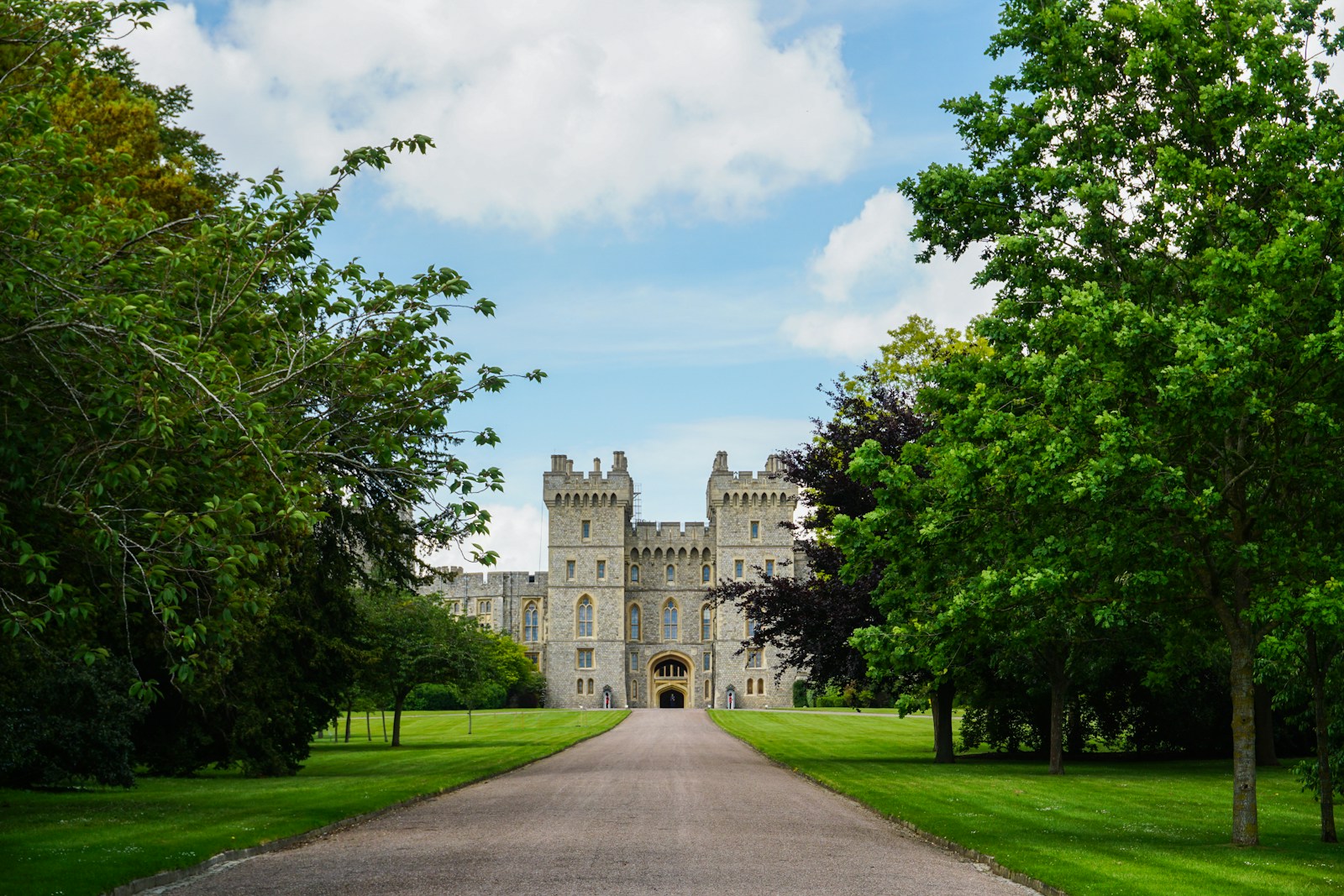
The world’s oldest occupied castle is having a moment. Here’s why it’s the perfect starting point for a truly curated journey through the United Kingdom. Windsor Castle & Beyond.
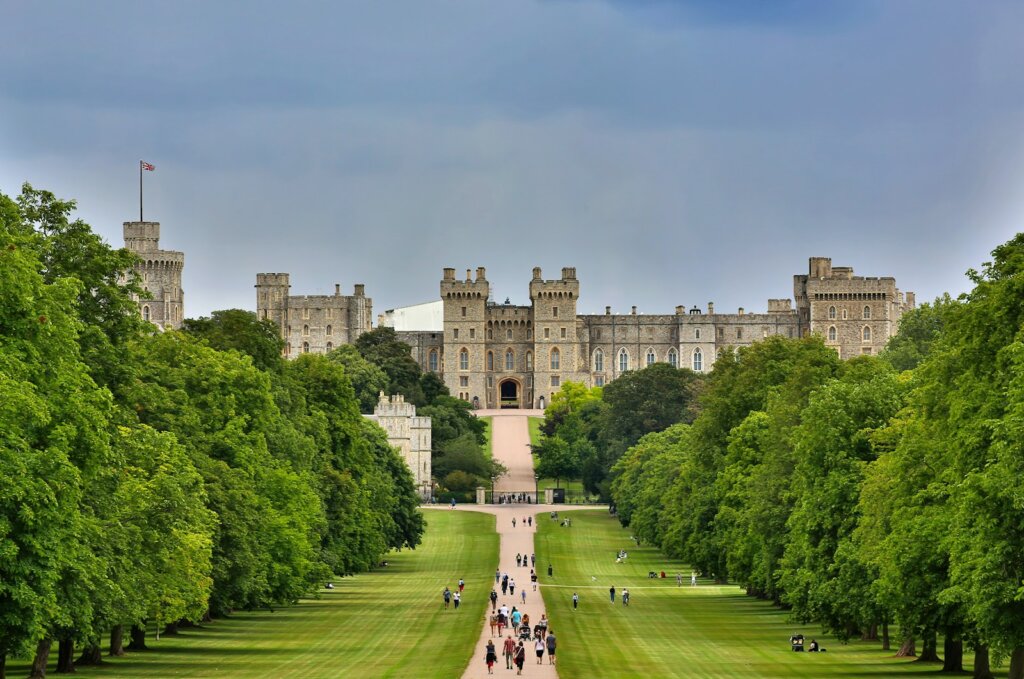
Table of Contents
When King Charles III addressed a joint meeting of the United States Congress in late April 2026 — drawing standing ovations as he spoke of the bond between Britain and America… but something was very clear.
There’s a reason the King lives at Windsor.
Buckingham Palace is the office. Windsor Castle is home — and has been, for one monarch after another, for nearly a thousand years. It sits on a chalk bluff above the Thames in green Berkshire countryside, surrounded by ancient parkland, a town of cobbled streets and independent shops, and one of the most concentrated fine-dining scenes anywhere in Britain. It is, by any measure, one of the most rewarding places to visit in this country.
And yet most visitors give it half a day.
That’s understandable if you’re ticking off London attractions. But for travellers arriving in Britain with time, curiosity and an appetite for something more considered, Windsor deserves better — and it opens the door to a style of touring that most people never discover. The kind where a morning in the State Apartments leads to a Michelin-starred lunch in a Thames-side village, where a walk through ancient parkland gives way to a private tasting at a centuries-old estate, and where every day is shaped around your interests rather than a coach schedule.
This is a guide to that kind of travel. It starts at Windsor Castle, because Windsor earns its place at the top. But it goes much further.
Why Windsor Castle Deserves More Than an Afternoon
Most visitors arrive on a half-day tour from London, shuffle through the State Apartments in 90 minutes, and leave. That’s a shame, because Windsor rewards time — and it rewards context.
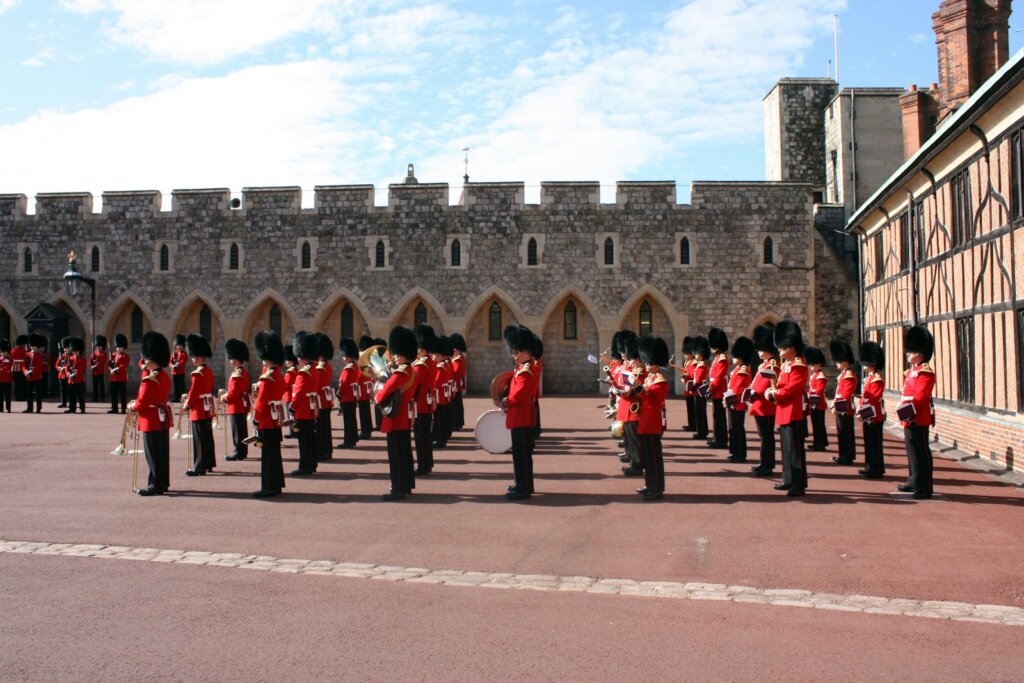
Windsor Castle has been a royal residence for over 950 years, since William the Conqueror chose this site as the western anchor of his ring of fortifications around London. Every monarch since has left a mark. The State Apartments are decorated with works by Holbein, Rubens, Van Dyck, Canaletto and Leonardo da Vinci. St George’s Chapel — one of the finest examples of Perpendicular Gothic architecture in England — holds the tombs of ten monarchs, including Henry VIII, Charles I, and Queen Elizabeth II, who was laid to rest in the King George VI Memorial Chapel in 2022.
What most visitors miss is the scale. Windsor Castle occupies roughly 13 acres. The precincts, the Moat Room (with three large bronze models showing how the castle evolved across nine centuries), Queen Mary’s Dolls’ House, the paintings galleries, the chapel — a proper visit, with a knowledgeable guide who can connect the rooms to the stories, takes a full morning. And the Semi-State Rooms — George IV’s lavishly restored private apartments, arguably the most beautiful interiors in the castle — are due to reopen to visitors in autumn 2026 after a period of closure. If you’re planning a trip later this year, that alone is reason to time it right.
Then there’s the setting. Step out of the Windsor Castle and you’re on the doorstep of the Long Walk, a perfectly straight 2.6-mile tree-lined avenue running south to the Copper Horse statue on Snow Hill, with red deer grazing in the parkland on either side. Beyond that lies Windsor Great Park: 4,800 acres of ancient oaks (some over a thousand years old), formal gardens, lakes and bridleways, including the Savill Garden and the dramatic lakeside circuit around Virginia Water. Cross the pedestrian bridge in the other direction and you’re on Eton High Street, looking up at the chapel of Henry VI’s 1440 college.
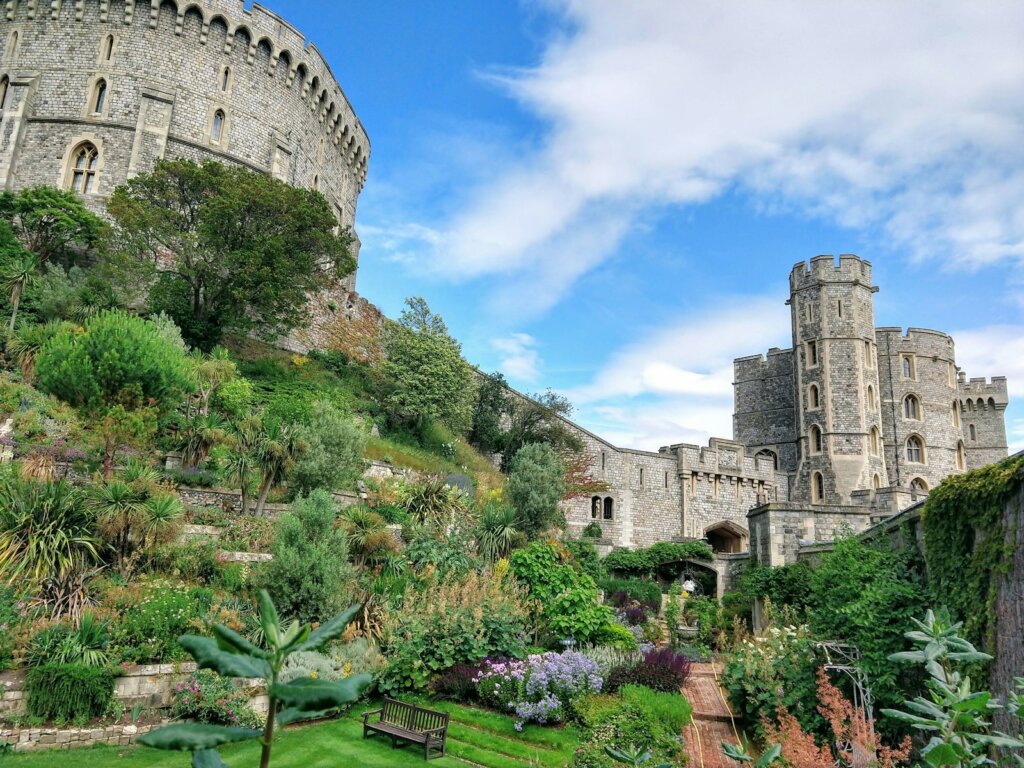
This is not a tick-box attraction. It’s a landscape. And it’s best experienced with someone who knows it deeply — a Blue Badge guide, a private driver, a day shaped around your curiosity rather than someone else’s timetable.
Practical note: Windsor Castle is open Thursday to Monday, 10:00–17:15 in summer (last admission 16:00). Adult tickets are £32 in advance. Any ticket can be converted to a 1-Year Pass for unlimited return visits. Check the Royal Collection Trust website for specific closure dates — the castle shuts for Garter Day in June and occasionally at short notice for royal events.
The Thames Valley: Britain’s Most Underrated Luxury Corridor
Windsor Castle sits at the heart of the Thames Valley, and for travellers with an appetite for food, wine and English countryside, this stretch of Berkshire and Oxfordshire is one of the most rewarding areas in the country.
Within a few miles of the Windsor Castles gates, you’ll find six Michelin-starred restaurants — a concentration that rivals anywhere in Britain outside London. The village of Bray alone holds two three-star establishments: The Waterside Inn, where Alain Roux continues his family’s classical French tradition on the banks of the Thames, and The Fat Duck, Heston Blumenthal’s multi-sensory experience that still draws a global waiting list. Add the Hind’s Head (one star, also in Bray), and you have a culinary destination that justifies a trip in its own right.
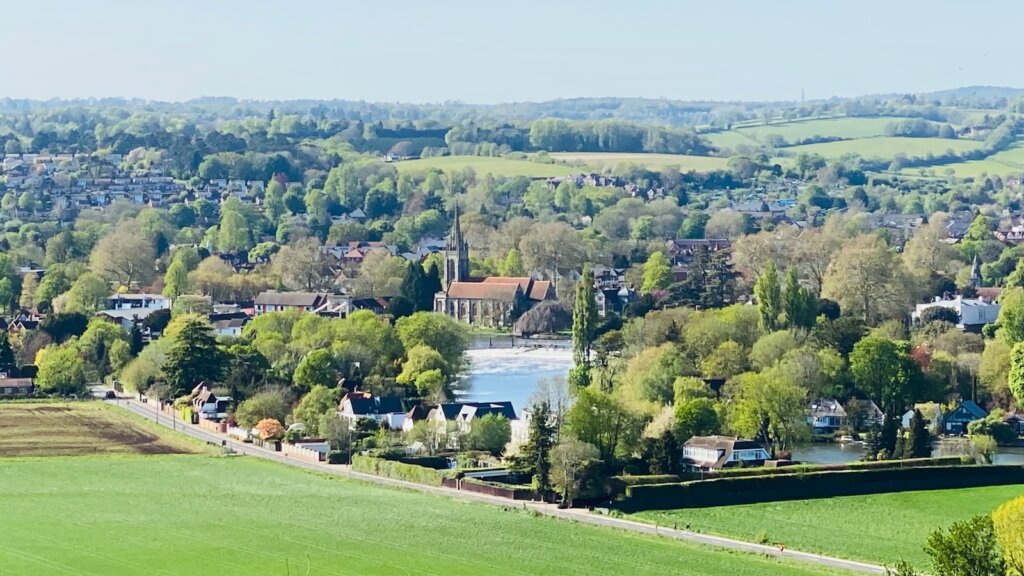
Closer to Windsor Castle, The Loch & the Tyne in Old Windsor — Adam Handling’s Bib Gourmand gastropub — offers a more relaxed, produce-driven British menu. And for those who prefer their luxury with a whisky glass in hand, the Macallan tasting room at Fairmont Windsor Park pairs single malts with a bespoke menu from the hotel’s executive chef. It works beautifully as the capstone to a castle day.
Follow the river upstream and you’re in the Chiltern Hills, with walking trails through beechwood and chalk downland. Continue west and the countryside opens into the gentle Oxfordshire farmland that leads, eventually, to the Cotswolds. This is a landscape that can fill three days or five, depending on how deep you want to go — and it begins less than an hour from Heathrow.
Beyond Windsor Castle: Bespoke Journeys Across Britain
For international visitors arriving in Britain, the temptation is to pack in as much as possible. London, Stonehenge, Bath, Edinburgh, maybe the Lake District, all in a week. It’s understandable. It’s also exhausting — and it rarely leaves you feeling like you’ve truly been anywhere.
Bespoke touring works differently. Instead of covering ground, it covers depth. The itinerary is built around what you care about — whether that’s royal history, food and wine, golf, contemporary art, coastal walking or something else entirely — and every element is arranged in advance: the guide, the driver, the restaurant booking, the private access, the timing that avoids the crowds.
Here’s what that looks like in practice.
The Royal Heritage Trail
Windsor – London – Edinburgh – Highlands
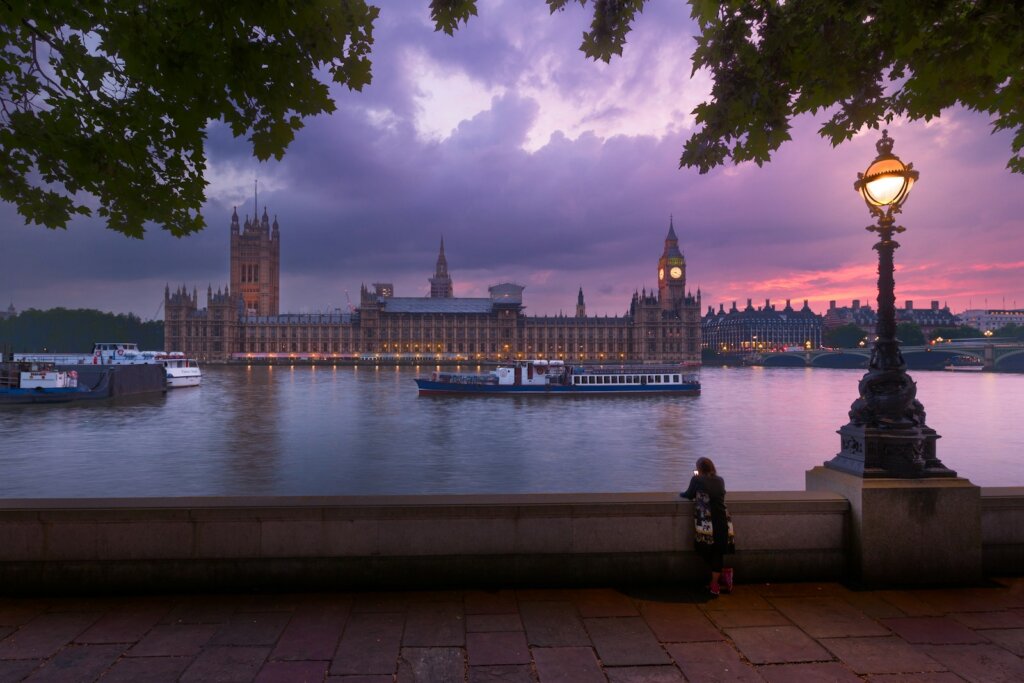
Start where the monarchy actually lives: Windsor Castle with a private guide, followed by lunch in Bray. Move into London for the Tower, Westminster Abbey and Buckingham Palace — not the standard loop, but a curated route with a historian who can connect the buildings to the people. Then north to Edinburgh for Holyrood Palace and the Royal Mile, and onward into the Highlands to visit Balmoral Estate (open to visitors in late summer and early autumn) and the Speyside distilleries that supply the royal warrant holders. A journey through a thousand years of British sovereignty, told through architecture, landscape and tradition.
The Gastronomy Circuit
London – Thames Valley – Cotswolds – Bath – Somerset
Begin with a private food tour of Borough Market and London’s best independent restaurants, then travel west to the Michelin constellation around Bray and Windsor. Continue into the Cotswolds — Daylesford Farm for organic produce, the Wheatsheaf in Northleach, Le Champignon Sauvage in Cheltenham — and down to Bath, where the food scene has quietly become one of the best in the country. End in Somerset’s cider country and the cheese-making heartland around Cheddar and the Mendips. Every meal pre-booked, every producer visit arranged, every route designed to keep you off the motorway and on the back roads.
Explore Our Tasting Routes & Beer Expeditions Collection
The Golf Journey
Surrey – Berkshire – Dorset – Scotland
Britain has some of the oldest and most celebrated golf courses on earth, and many of them sit in landscapes that reward the non-golfer in the group as much as the player. A bespoke golf journey might begin at Sunningdale or Wentworth (both within easy reach of Windsor), move south to the heathland courses of the Surrey and Hampshire sandbelt, then west to the Dorset coast and the clifftop links at Isle of Purbeck. For the committed player, the trip extends north: Royal Troon, Carnoustie, St Andrews — and the Highland courses that are among the most scenically dramatic anywhere. Partners and families get their own curated itinerary running in parallel: castle visits, distillery tours, coastal walks, spa days.
The Coastal Discovery
Cornwall – Devon – Dorset – or the Scottish coast
Britain’s coastline is extraordinary and strikingly undervisited by international travellers. A bespoke coastal journey might trace the South West Coast Path through Cornwall’s fishing villages and subtropical gardens, or follow the Jurassic Coast through Dorset’s fossil cliffs and hidden coves. On the Scottish side, the North Coast 500 has become world-famous, but a curated version — staying in hand-picked lodges and bothies, eating at emerging restaurants, walking sections of empty beach — is a different experience entirely from the campervan convoy.
The Whisky and Wine Trail
Thames Valley – South Downs – Speyside – Islay
English wine is one of the great underrated stories in European viticulture. The chalk soils of the North and South Downs are producing sparkling wines that compete with Champagne in international blind tastings, and a private tour of estates like Nyetimber, Gusbourne or Hambledon gives you access to tastings and winemaker conversations that aren’t available to the general public. Pair that with a few days in Scotland’s whisky regions — Speyside for elegance, Islay for peat and drama — and you have a drinks journey that spans the full range of British craft.
The Wellness Retreat
Cotswolds – Lake District – Scottish Highlands
Britain’s luxury wellness scene has matured enormously. A curated wellness journey might begin at one of the Cotswolds’ country-house properties — Soho Farmhouse, Thyme, Cowley Manor — move north to the Lake District for forest bathing and fell walking, and end in the Scottish Highlands with wild swimming, estate-based yoga and the restorative silence of genuine remoteness. This isn’t a spa break. It’s a journey designed around recovery, movement and landscape.
Why “Bespoke” Matters in Britain
Here’s the honest reality of visiting Britain: the most popular sites are busy. Windsor Castle, the Tower of London, Stonehenge, Edinburgh Castle, the Roman Baths — these places attract millions of visitors a year, and at peak times the experience can feel rushed and impersonal.
A well-designed bespoke tour changes the equation. It doesn’t mean you skip the famous places. It means you arrive at the right time, with someone who knows the building, on a day when the experience is at its best. It means the logistics — the driving, the parking, the train connections, the restaurant that needed booking eight weeks ago — are handled before you arrive. And it means that when Windsor Castle closes its gates for the day, your afternoon doesn’t stop: it evolves into something unexpected and personal.
For international visitors, there’s a practical dimension too. Britain’s transport network is idiosyncratic. The distances between major destinations are short by American, Australian or Asian standards, but the connections aren’t always obvious. A private driver who knows the back roads, a guide who can reroute around a closure, an operator who has direct relationships with hotels and restaurants and can secure the table or the room that isn’t available on the booking platforms — these are the things that separate a good trip from a great one.
Planning Your Visit
Getting to Windsor Castle. Trains run from London Paddington (via Slough, around 30–50 minutes) and London Waterloo (direct, around 55 minutes). By car, Windsor is roughly 25 miles west of central London — 45 minutes to an hour on the M4. From Heathrow, it’s just 15–25 minutes by private car, making Windsor the ideal first or last stop for anyone flying in or out of the UK.
Best time to visit. Late spring (May–June) and early autumn (September–October) offer the best balance of weather, daylight and crowd levels. For Windsor specifically, autumn 2026 is worth noting for the Semi-State Rooms reopening. Scotland is best from May to September; the coast is finest from June through early October.
How far ahead to book. For peak-season travel (June–August), three to six months’ lead time is ideal — particularly for Michelin-starred restaurants, golf tee times, and popular country-house hotels. Off-peak travel can be arranged with shorter notice, but the best private guides book up early year-round.
What a bespoke tour includes. Every itinerary is different, but a well-designed journey typically covers private guiding, chauffeured transport, accommodation, restaurant bookings, attraction tickets and entry fees, and a dedicated travel consultant who handles everything from first enquiry to final airport transfer.
Start the Conversation
We design bespoke touring itineraries across the United Kingdom for travellers who want quality, depth and personal service over a standard package. Whether you’re drawn to royal heritage, gastronomy, golf, the coast, the countryside, or some combination that’s entirely your own, every journey starts with a conversation about what matters to you.
Get in touch. Contact Nomadical Tracks to tell us what you’re interested in, when you’re thinking of visiting, and how many are in your group. We’ll come back to you with a personalised itinerary proposal — no obligation, no brochure, just a plan built around your trip.
Windsor Castle is waiting. So is the rest of Britain.
Nomadical Tracks is a UK-based experiential travel company specialising in bespoke cultural, gastronomic, golf and wellness journeys.


